

Antarctica
Details
Accessibility
Brief description
https://en.wikipedia.org/wiki/Antarctica#
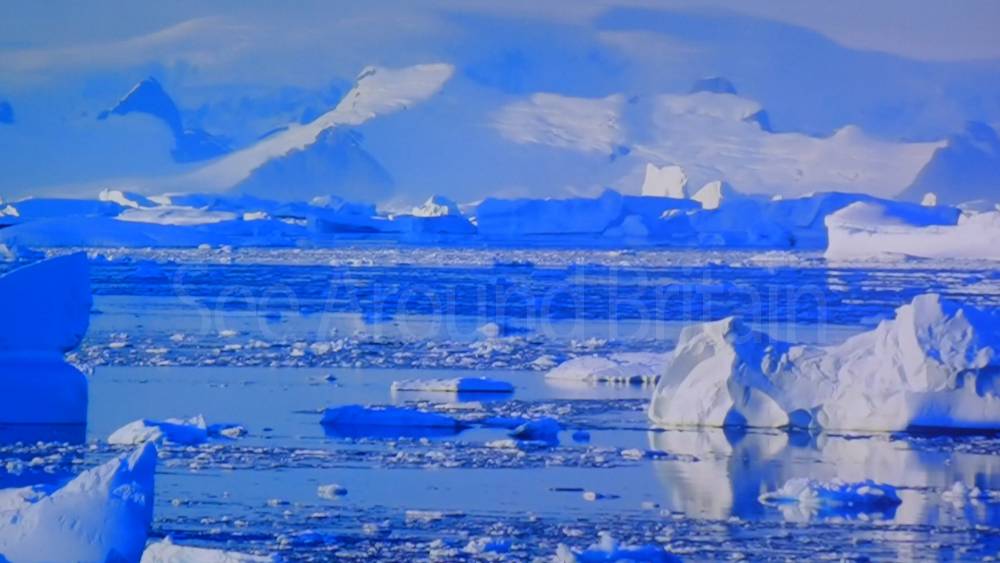
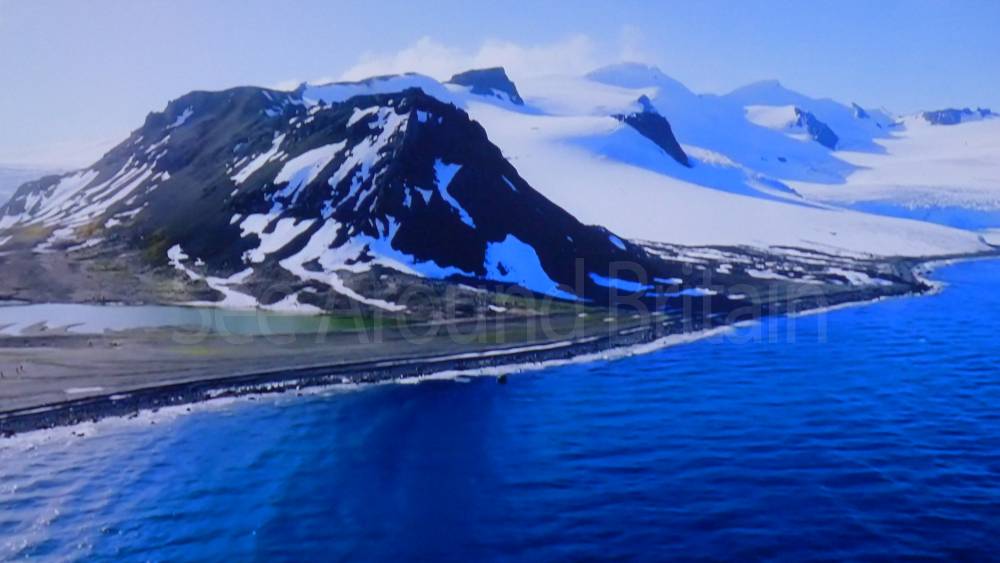
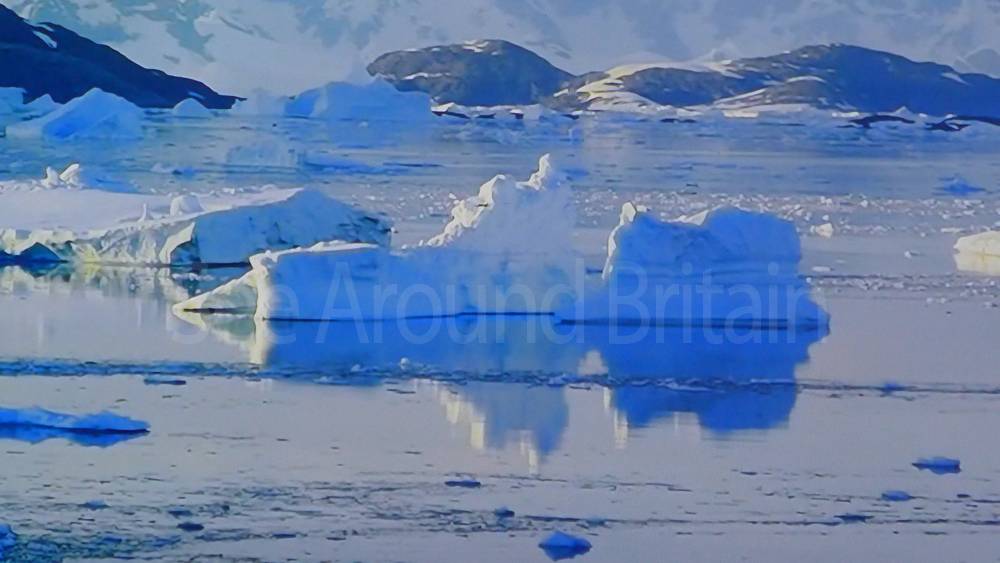
2026: "Antarctica (/ænˈtɑːrktɪkə/ ⓘ)[note 1] is Earth's southernmost and least-populated continent. Situated almost entirely south of the Antarctic Circle and surrounded by the Southern Ocean (also known as the Antarctic Ocean), it contains the geographic South Pole. Antarctica is the fifth-largest continent, being about 40% larger than Europe, and has an area of 14,200,000 km2 (5,500,000 sq mi). Most of Antarctica is covered by the Antarctic ice sheet, with an average thickness of 1.9 km (1.2 mi).
Antarctica is, on average, the coldest, driest, and windiest of the continents, and has the highest average elevation. It is mainly a polar desert, with annual precipitation of over 200 mm (8 in) along the coast and far less inland. About 70% of the world's freshwater reserves are frozen in Antarctica, which, if melted, would raise global sea levels by almost 60 metres (200 ft). Antarctica holds the record for the lowest measured temperature on Earth, −89.2 °C (−128.6 °F). The coastal regions can reach temperatures over 10 °C (50 °F) in the summer. Native species of animals include mites, nematodes, penguins, seals and tardigrades. Where vegetation occurs, it is mostly in the form of lichen or moss.
The ice shelves of Antarctica were probably first seen in 1820, during a Russian expedition led by Fabian Gottlieb von Bellingshausen and Mikhail Lazarev. The decades that followed saw further exploration by French, American, and British expeditions. The first confirmed landing was by a Norwegian team in 1895. In the early 20th century, there were a few expeditions into the interior of the continent. British explorers Douglas Mawson, Edgeworth David, and Alistair Mackay were the first to reach the magnetic South Pole in 1909, and the geographic South Pole was first reached in 1911 by Norwegian explorer Roald Amundsen.[4]
Antarctica is governed by about 30 countries, all of which are parties of the 1959 Antarctic Treaty System. According to the terms of the treaty, military activity, mining, nuclear explosions, and nuclear waste disposal are all prohibited in Antarctica. Tourism, fishing and research are the main human activities in and around Antarctica. During the summer months, about 5,000 people reside at research stations, a figure that drops to around 1,000 in the winter. Despite the continent's remoteness, human activity has a significant effect on it via pollution, ozone depletion, and climate change. The melting of the potentially unstable West Antarctic ice sheet causes the most uncertainty in century-scale projections of sea level rise, and the same melting also affects the Southern Ocean overturning circulation, which can eventually lead to significant impacts on the Southern Hemisphere climate and Southern Ocean productivity.
Deposits of coal, hydrocarbons, iron ore, platinum, copper, chromium, nickel, gold, and other minerals have been found in Antarctica, but not in large enough quantities to extract.[214] The Protocol on Environmental Protection to the Antarctic Treaty, which came into effect in 1998 and is due to be reviewed in 2048, restricts the exploitation of Antarctic resources, including minerals.[215]
Tourists have been visiting Antarctica since 1957.[216] Tourism is subject to the provisions of the Antarctic Treaty and Environmental Protocol;[217] the self-regulatory body for the industry is the International Association of Antarctica Tour Operators.[218] Tourists arrive by small or medium ship at specific scenic locations with accessible concentrations of iconic wildlife.[216] Over 74,000 tourists visited the region during the 2019–2020 season, of which 18,500 travelled on cruise ships but did not leave them to explore on land.[219] The numbers of tourists fell rapidly after the start of the COVID-19 pandemic. Some nature conservation groups have expressed concern over the potential adverse effects caused by the influx of visitors and have called for limits on the size of visiting cruise ships and a tourism quota.[220] The primary response by Antarctic Treaty parties has been to develop guidelines that set landing limits and closed or restricted zones on the more frequently visited sites.[221]
Tourism in Antarctica is, in part, ecologically focused with expeditions being offered for bird watching tours due to the high numbers of Adélie, King, and Gentoo penguins – among other species. One site in particular – McDonald Beach – is known to be a high-traffic area for tourists watching the Adélie penguins who number more than 40,000.[222]
Overland sightseeing flights operated out of Australia and New Zealand until the Mount Erebus disaster in 1979, when an Air New Zealand plane crashed into Mount Erebus, killing all of the 257 people on board. Qantas resumed commercial overflights to Antarctica from Australia in the mid-1990s.[223] There are many airports in Antarctica.
The southernmost music festival in the world, Icestock, has been held at McMurdo Station since 1989. The organizers, performers, and attendees of Icestock are all personnel working at McMurdo or nearby Scott Base.[242][243][244] The Antarctic Film Festival is held annually between bases, with 48 stations registered to participate as of 2022. The festival is designed for short films of 5 minutes or less.[245]
In 2011, Australian classical harpist Alice Giles became the first professional musician to perform in Antarctica.[246] The first full-length fictional film to be shot in Antarctica was South of Sanity, a 2012 low-budget British horror film.[247] An upcoming film directed by Nick Cassavetes and starring Anthony Hopkins, Bruno Penguin and the Staten Island Princess, will be the first major Hollywood production to shoot in Antarctica.[248]
Sporting events held on Antarctica include the Antarctic Ice Marathon & 100k ultra race,[249] Antarctica Marathon[250] and Antarctica Cup Yacht Race.[251] Association football has been played since the early twentieth century, with teams representing bases or visiting ships.[252][253]"
Address
Post to Secretaría del Tratado Antártico
Maipú 757 - Piso 4
C1006ACI - Buenos Aires
Argentina
General Information: ats@antarctictreaty.org + ats@ats.aq
Phone
Website
https://www.ats.aq/index_e.html
https://en.wikipedia.org/wiki/Antarctica#
Directions
Opening Times
Always check with the venue directly for up-to-date information including opening times and admission charges as they may be subject to change