

Lofoten Islands, Norway, Europe
Details
Accessibility
Brief description
https://en.wikipedia.org/wiki/Lofoten
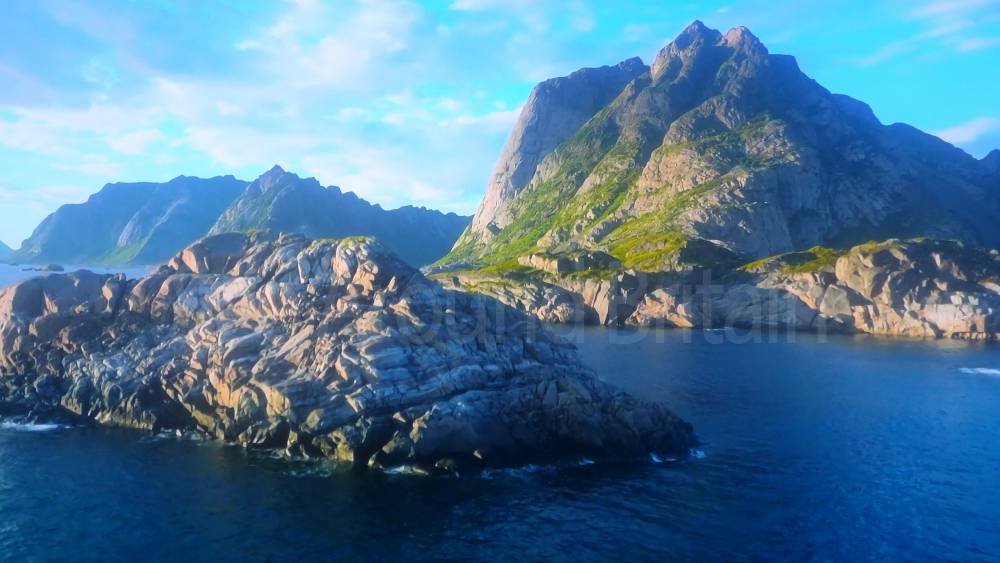
2025: "Lofoten (Norwegian, pronounced [ˈlùːfuːtn̩]; English pronunciation: /ˈloʊfoʊtən, loʊˈfoʊtən/, LOH-foh-tən, loh-FOH-tən), Lufoahtta (Lule Sami), or Lufuohttá (Northern Sami)[1] is an archipelago and a traditional district in the county of Nordland, Norway. Lofoten has distinctive scenery with dramatic mountains and peaks, open sea and sheltered bays, beaches, and untouched lands. There are two towns, Svolvær and Leknes – the latter is approximately 169 km (105 mi) north of the Arctic Circle and approximately 2,420 km (1,500 mi) away from the North Pole. The archipelago experiences one of the world's largest elevated temperature anomalies relative to its high latitude.
In Norway, the archipelago and the area are called Lofoten. There have been many attempts to research the backgrounds and meanings of both the names Lofoten and Ofoten, which have led to many theories, but no definite information. Critical examination has not reached any generally accepted and justified interpretation of the name.[2]
The Lofoten Islands are characterised by their mountains and peaks, sheltered inlets, stretches of seashore and large virgin areas. The highest mountain in Lofoten is Higravstinden (1,161 metres (3,809 feet)) in Austvågøy; the Møysalen National Park just northeast of Lofoten has mountains reaching 1,262 metres (4,140 feet). The famous Moskstraumen (Malstrøm) system of tidal eddies is located in western Lofoten, and is indeed the root of the term maelstrom.
The sea is rich with life, and the world's largest deep water coral reef, called the Røst Reef, is located west of Røst.[13] Approximately 70% of all fish caught in the Norwegian and Barents seas use its islands' waters as a breeding ground.[8] Otters are common, and there are elk on the largest islands. There are some woodlands with downy birch and rowan. There are no native conifer forests in Lofoten, but some small areas with private spruce plantations. Hedlundia hybrida[14] and Malus sylvestris occur in Lofoten, but not further north.
Some 27,000 hectares (100 sq mi) of marine waters along the north-western coasts and fjords of the Lofoten Islands have been designated an Important Bird Area (IBA) by BirdLife International (BLI) because it supports overwintering populations of common eiders and yellow-billed loons. The IBA contains or overlaps with the Seløya, Morfjorden, Laukvikøyene, Eggum and Borgværet nature reserves, as well as the Laukvikøyene Ramsar site.[15] Lofoten has a high density of sea eagles and cormorants, and millions of other sea birds, among them the colourful puffin. It has mainland Europe's largest seabird colony.[8] The birds once mistaken for the extinct great auk turned out to be some of the nine king penguins released around Norway's Lofoten Islands in August 1936, there until at least 1944.[16]"
Address
Lofotr Viking Museum
Vikingveien 539
8360 Bøstad
Norway
+ Henningsvær Port Viewpoint
Dreyers gate 110, 130
8312 Henningsvær
Norway
"Tourist information Vågan
Email: info @ visitlofoten.no
Tel: +47 760 70 575
More info about other tourist offices in Lofoten here "
Phone
Website
Directions
Opening Times
Always check with the venue directly for up-to-date information including opening times and admission charges as they may be subject to change