

Newark-on-Trent, Nottinghamshire
Details
Accessibility
"Newark Town Hall, Market Place, Newark, Notts, NG24 1DU
If you are a wheelchair user or have mobility problems requiring level access and you are planning to visit us please access our offices via the entrance to the Buttermarket on Middlegate or Chain Lane. Our offices are located on the top floor of the Town Hall and are accessed via a lift."
Brief description
https://en.wikipedia.org/wiki/Newark-on-Trent
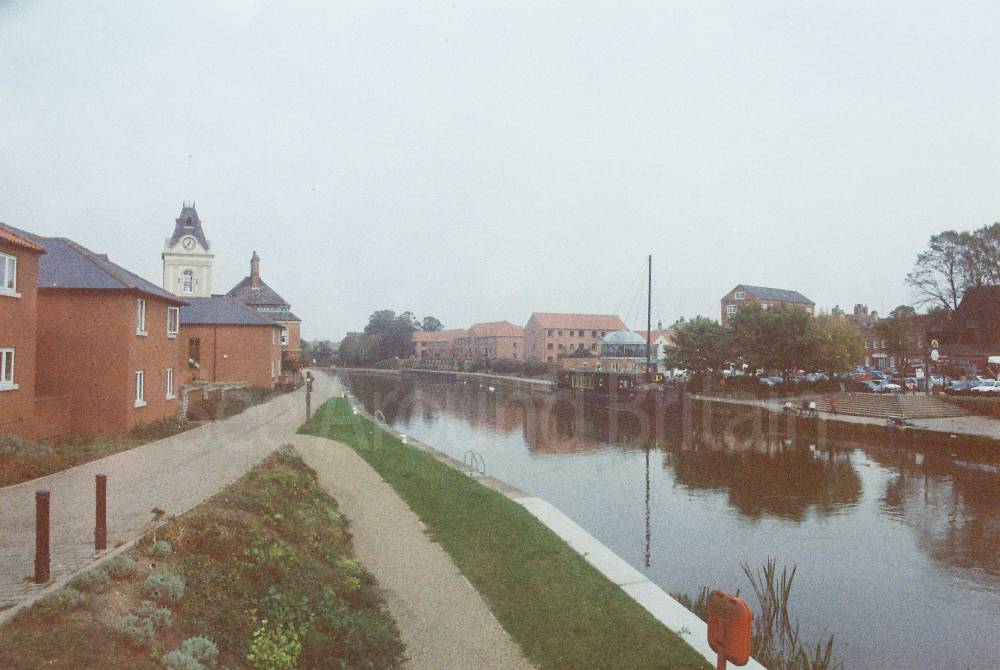
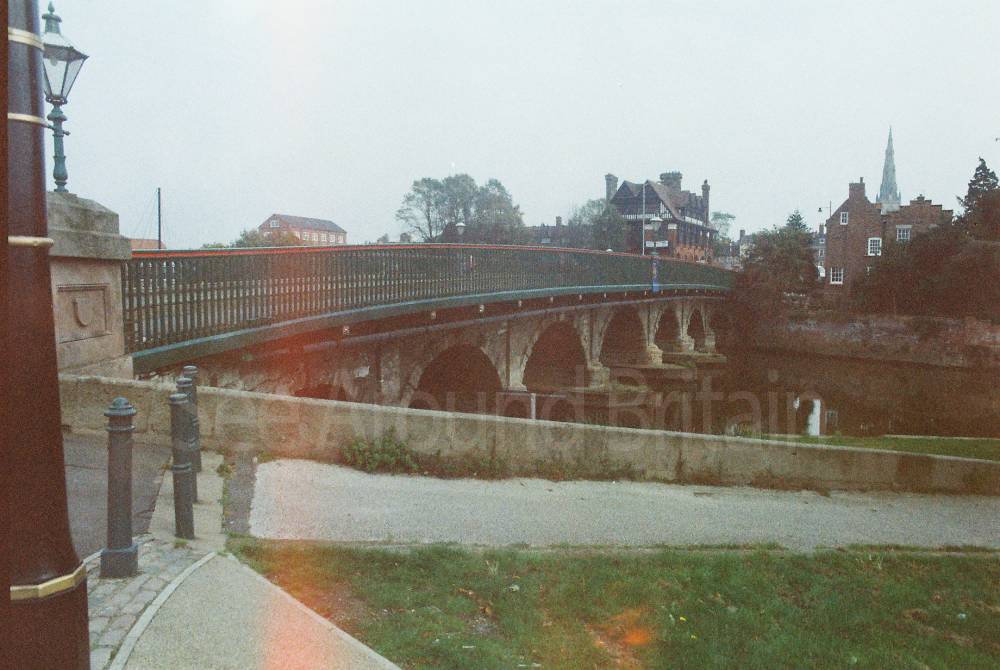
2026: "Newark-on-Trent (/ˌnjuwək/)[1] or Newark[2] is a market town and civil parish in the Newark and Sherwood district in Nottinghamshire, England.[3] It is on the River Trent, and was historically a major inland port.[4] The A1 road bypasses the town on the line of the ancient Great North Road. The population of the town was recorded at 30,345 at the 2021 census.[5]
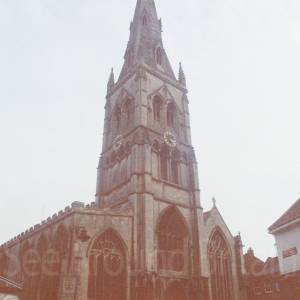
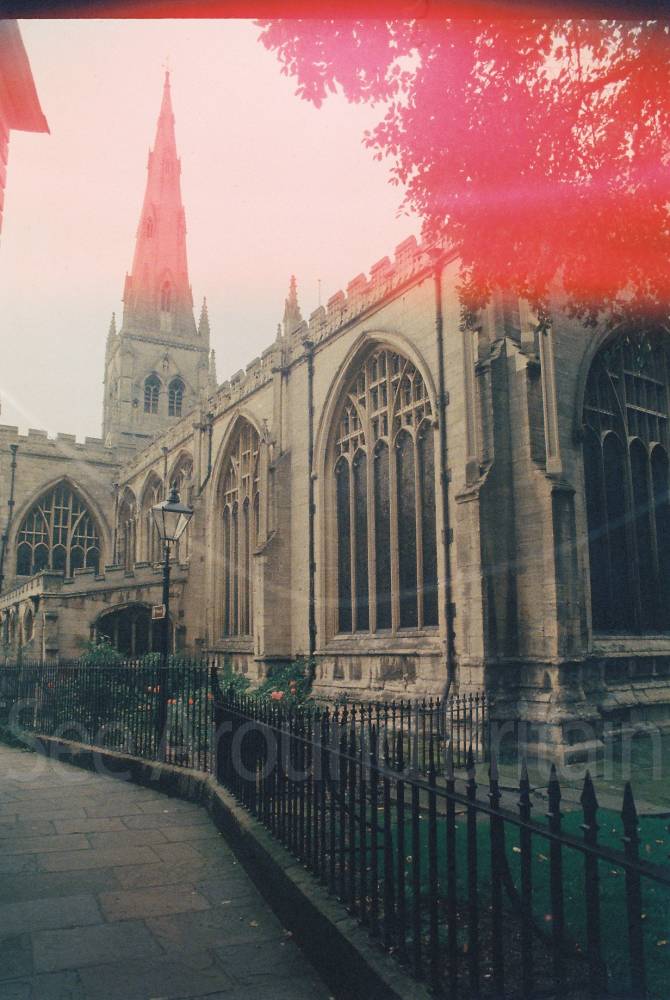
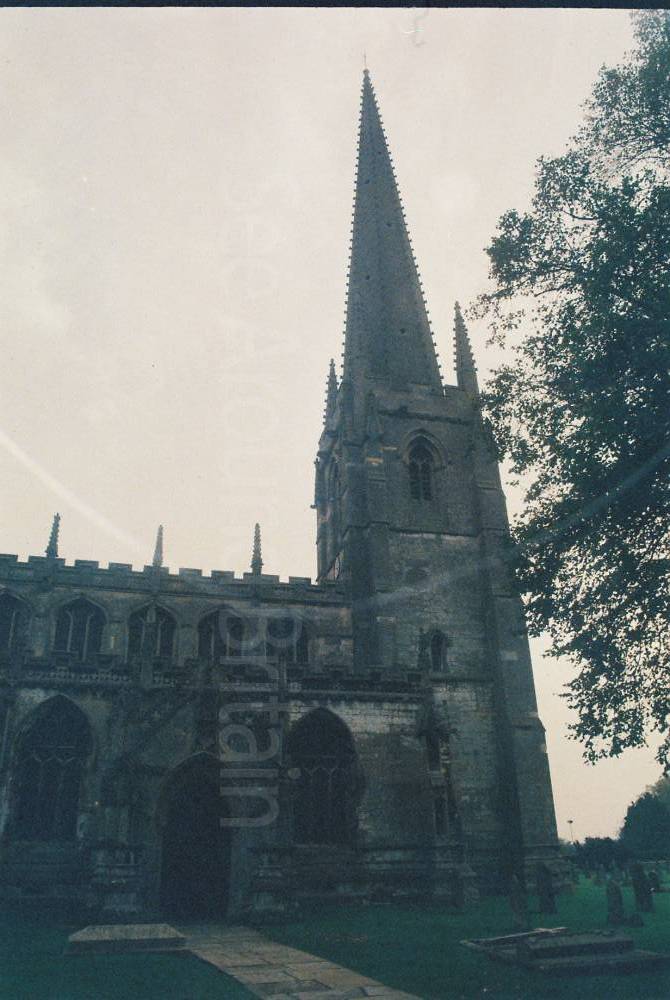
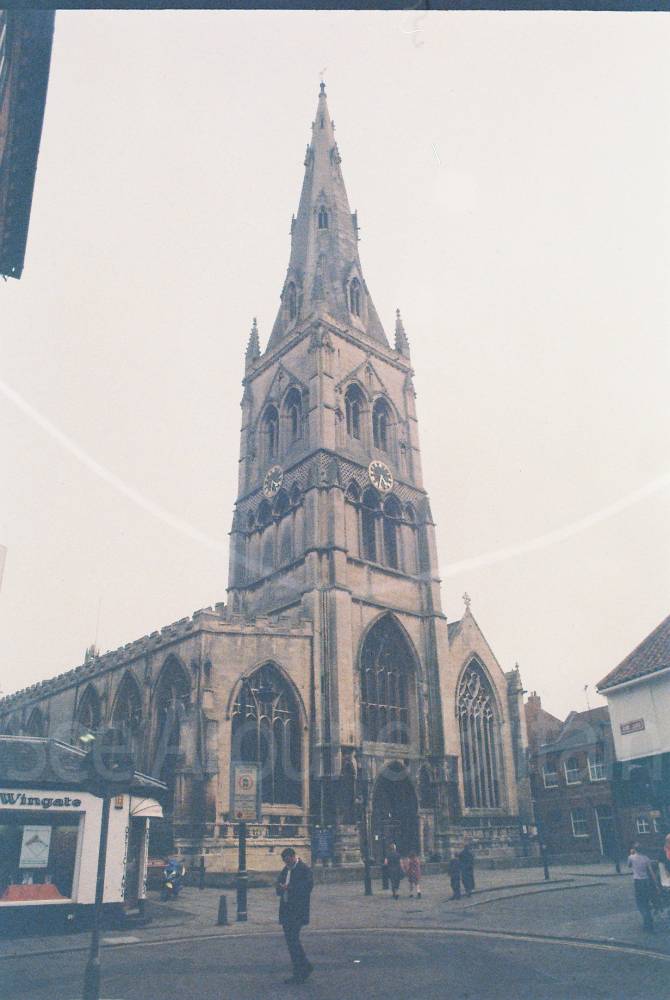
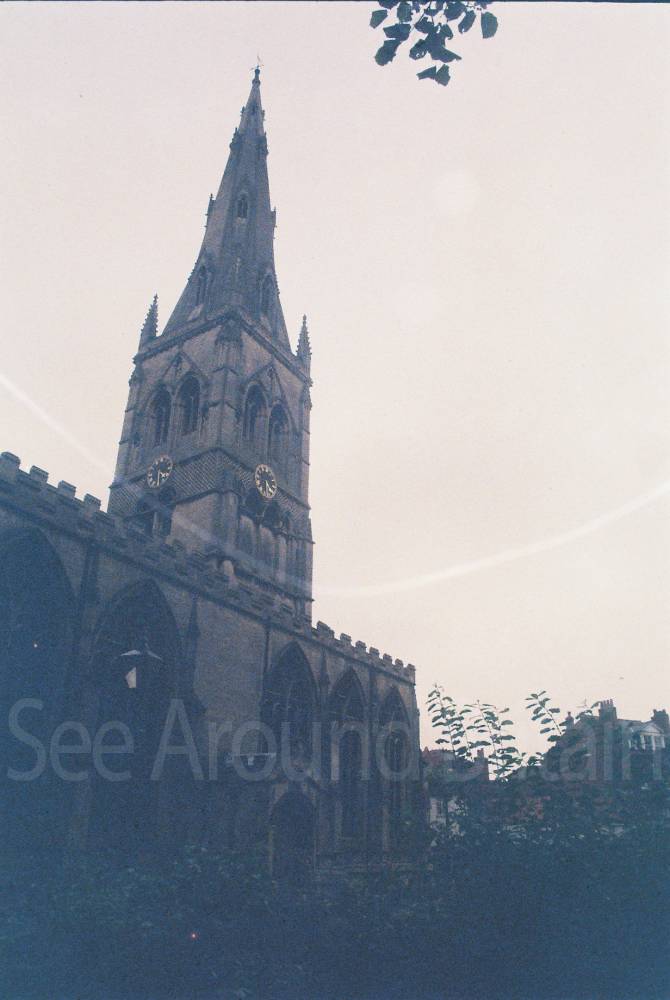
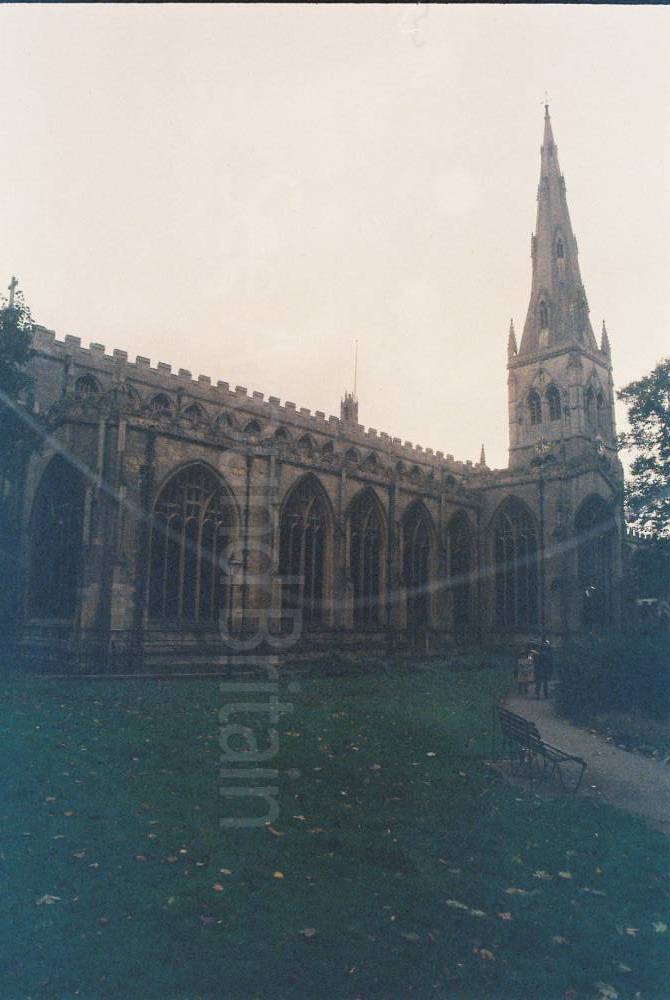
Newark has a marketplace lined with many historical buildings and one of its most notable landmarks is St Mary Magdalene church with its towering spire at 232 feet (71 metres) high and the highest structure in the town. The church is the tallest church building in Nottinghamshire and can be seen when entering Newark or bypassing it.[6]
The place-name Newark is first attested in the cartulary of Eynsham Abbey in Oxfordshire, where it appears as "Newercha" in about 1054–1057 and "Niweweorche" in about 1075–1092. It appears as "Newerche" in the 1086 Domesday Book. The name "New werk" has the apparent meaning of "New fort".[7][8]
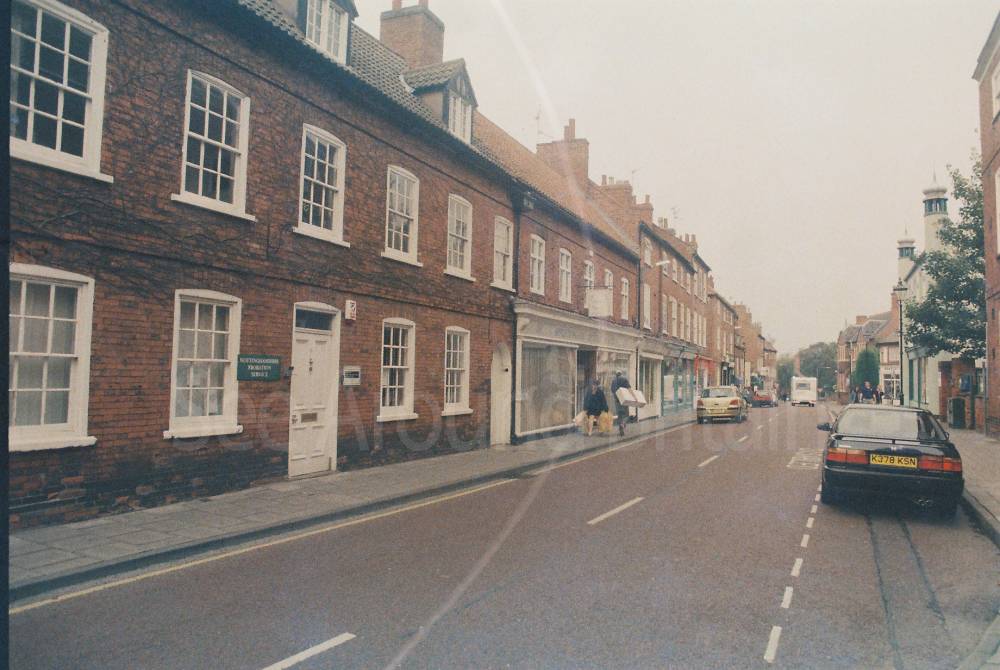
The town's origins are likely to be Roman, as it lies on a major Roman road, the Fosse Way. It grew up around Newark Castle, St Mary Magdalene church and later developed as a centre for the wool and cloth trades.
The main industries in Newark in the last hundred years have been clothing, bearings, pumps, agricultural machinery and pine furniture, and the refining of sugar. British Sugar still has one of its sugar-beet processing factories to the north of the town near the A616 (Great North Road). There have been several factory closures[24] especially since the 1950s. The breweries that closed in the 20th century included James Hole[25][26] and Warwicks-and-Richardsons.[27][28]
Newark had a population of 30,345 at the 2021 census,[5] a 10% increase from the 27,700 of the 2011 census.[29] The ONS Mid Year Population Estimates for 2007 indicated that the population had risen to some 26,700.[30] Another estimate (2009): "The population of Newark itself was 27,700 and the district of Newark and Sherwood has a population of 75,000 at the 2011 Census.[31] The Office for National Statistics also identifies a wider "Newark-on-Trent built up area" with a 2011 census population of 43,363[32] and a "Newark-on-Trent built up area subdivision" with a population of 37,084.[33] In the 2011 census, 77 per cent of adults in the town are employed, according to the latest ONS data.[29]"
Address
National Civil War Centre - Newark Museum
14 Appleton Gate
Newark
NG24 1JY
Newark Town Hall: post@newark.gov.uk
Phone
Newark Town Hall: 01636 680333
Website
https://www.visit-nottinghamshire.co.uk/explore/newark-p453391
Directions
"The main roads of Newark include the A1 and A46 as bypasses. The A17 runs east to King's Lynn, Norfolk, and the A616 north to Huddersfield, West Yorkshire."
Opening Times
Always check with the venue directly for up-to-date information including opening times and admission charges as they may be subject to change
2026: "Newark Town Hall, Market Place, Newark, Notts, NG24 1DU
If you are a wheelchair user or have mobility problems requiring level access and you are planning to visit us please access our offices via the entrance to the Buttermarket on Middlegate or Chain Lane. Our offices are located on the top floor of the Town Hall and are accessed via a lift. Opening Times: Wed - Fri
Transport
https://en.wikipedia.org/wiki/Newark-on-Trent#Transport
2026: "Newark is a commuter town, with many residents travelling to Lincoln, Nottingham and London.[77]
The town has two railway stations:
- Newark Northgate lies on the East Coast Main Line. London North Eastern Railway operates inter-city services to London King's Cross (in 75 minutes), Leeds, Hull Paragon, Newcastle and Edinburgh Waverley[78]
 Newark Northgate Station
- Newark Castle is on the Nottingham to Lincoln Line; East Midlands Railway provides cross-country regional links to Crewe, Nottingham, Lincoln, Matlock and Cleethorpes.[79]
The two stations are connected via the last flat crossing in Britain.[80]Grade separation has been proposed.[81]
The main roads of Newark include the A1 and A46 as bypasses. The A17 runs east to King's Lynn, Norfolk, and the A616 north to Huddersfield, West Yorkshire.
Newark bus station is the focal point for bus services; operators include Stagecoach East Midlands, Nottingham City Transport, Marshalls, Centrebus (North) and CT4N. Routes connect the town with Nottingham, Mansfield, Grantham, Lincoln and Retford.[82] "
Amenities
Palace Theatre
Appleton Gate
Newark
NG24 1JY
+ Newark Castle and Gardens
Castle Gate
Newark
NG24 1BG
https://en.wikipedia.org/wiki/Newark-on-Trent#Culture
2026: "Newark hosts Newark Rugby Union Football Club, whose players have included Dusty Hare, John Wells, Greig Tonks and Tom Ryder.[61] The town has a leisure centre in Bowbridge Road, opened in 2016.
Newark and Sherwood Concert Band, with over 50 regular players, has performed at numerous area events in the last few years. Also based in Newark are the Royal Air Force Music Charitable Trust and Lincolnshire Chamber Orchestra.[62]
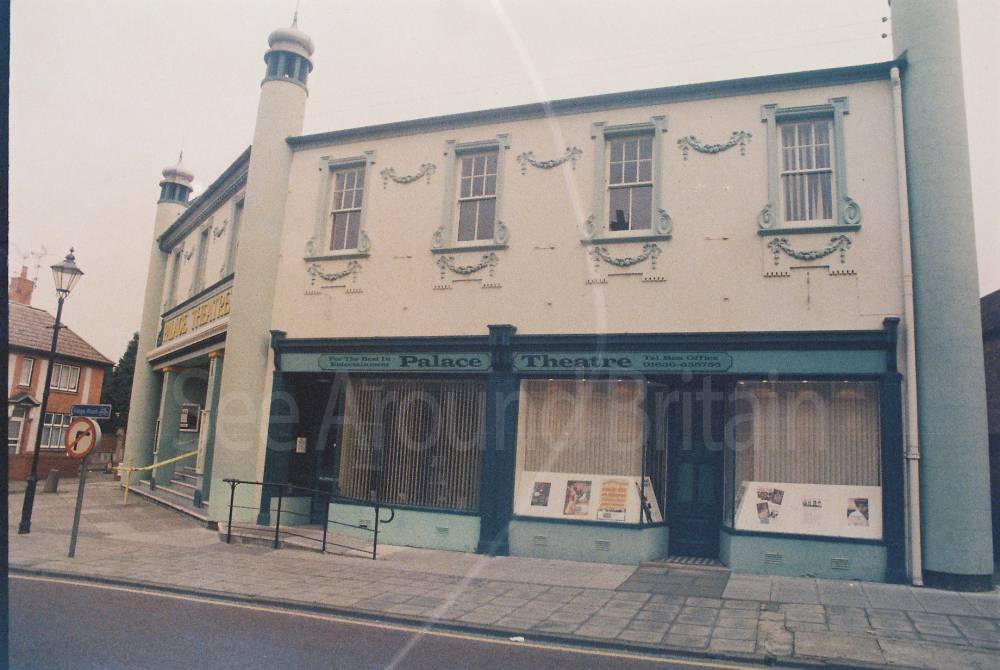
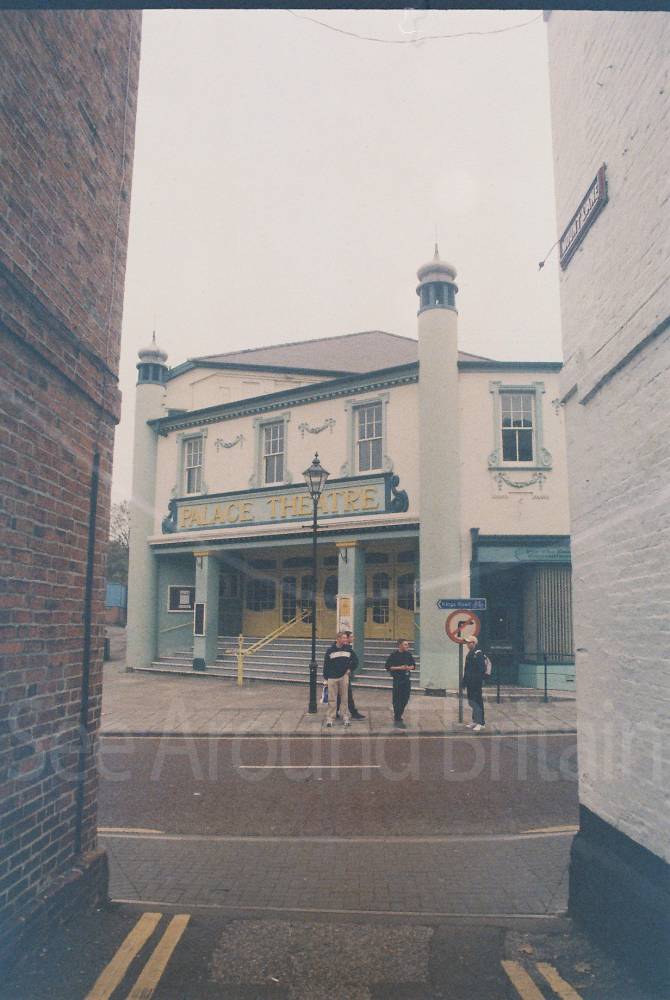
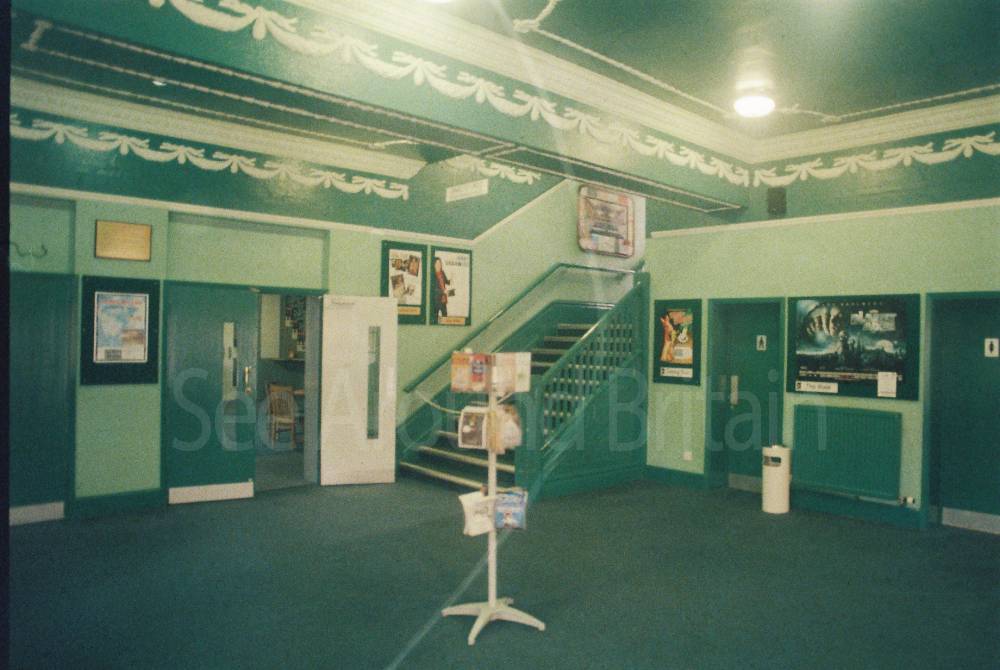
The Palace Theatre in Appletongate is Newark's main entertainment venue, offering drama, live music, dance and film.
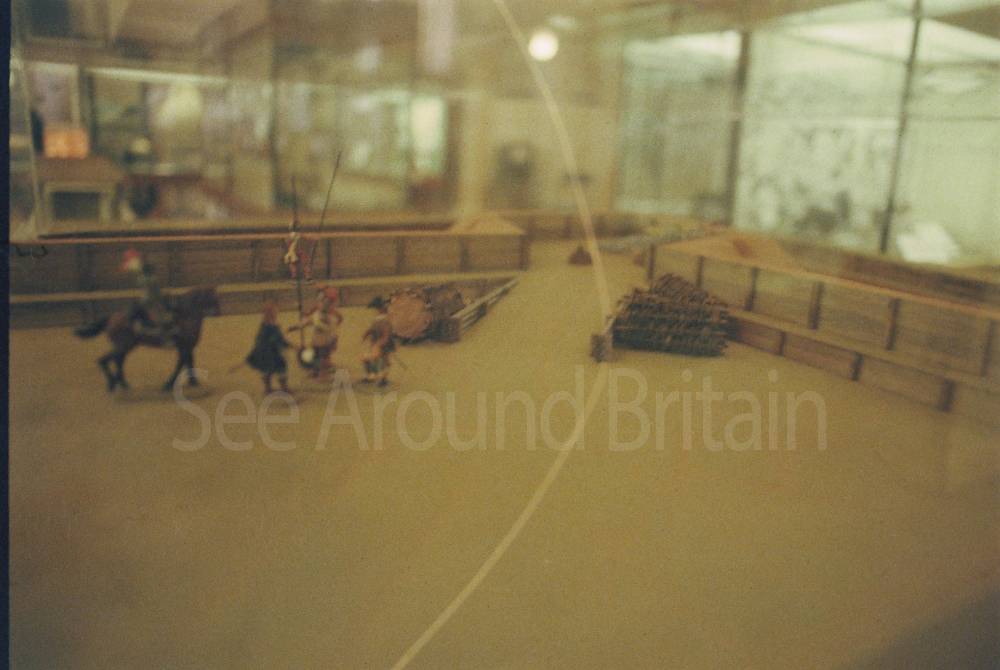
The National Civil War Centre and Newark Museum, next to the Palace Theatre in Appletongate in the town centre, opened in 2015 to interpret Newark's part in the English Civil War in the 17th century and explore its wider implications.[63]
The district was ranked in a survey reported in 2020 as one of the best places to live in the UK.[64]
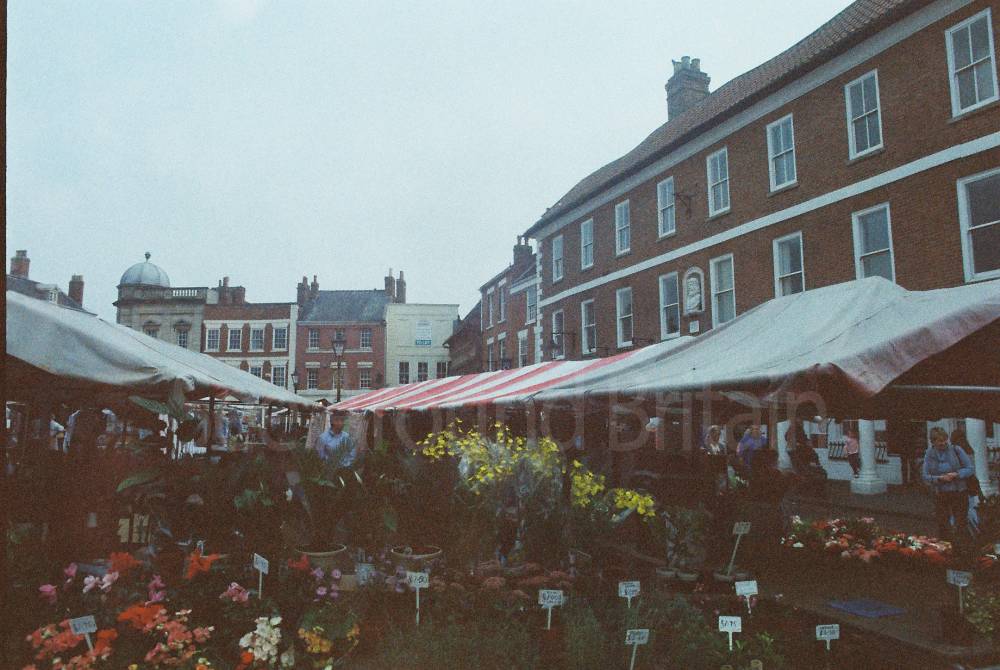
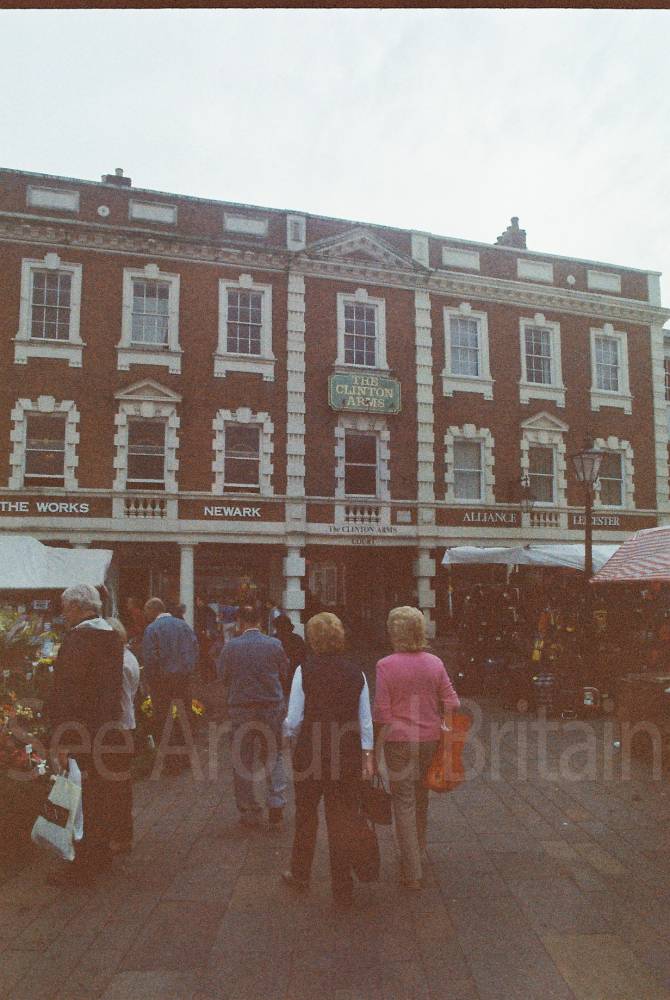
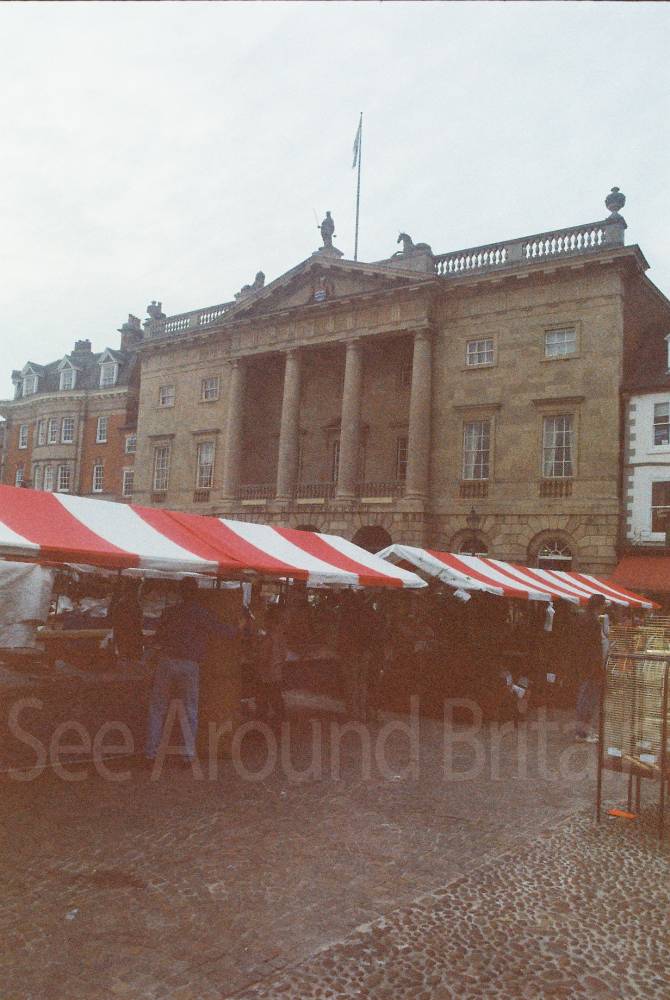
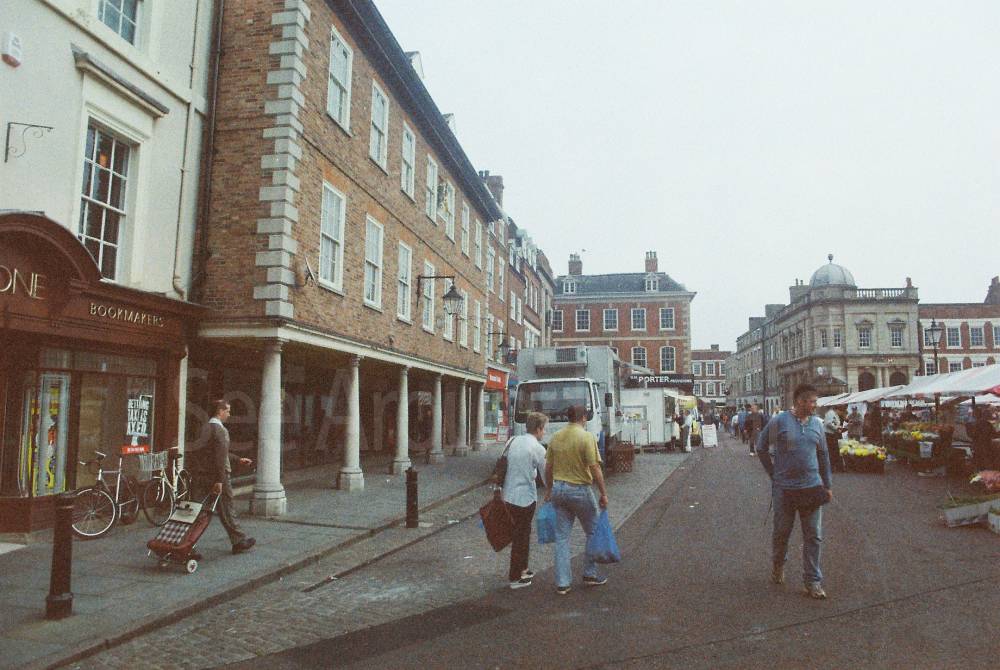
- The Market Place is the town's focal point. It includes The Queen's Head, one of the town's old pubs.
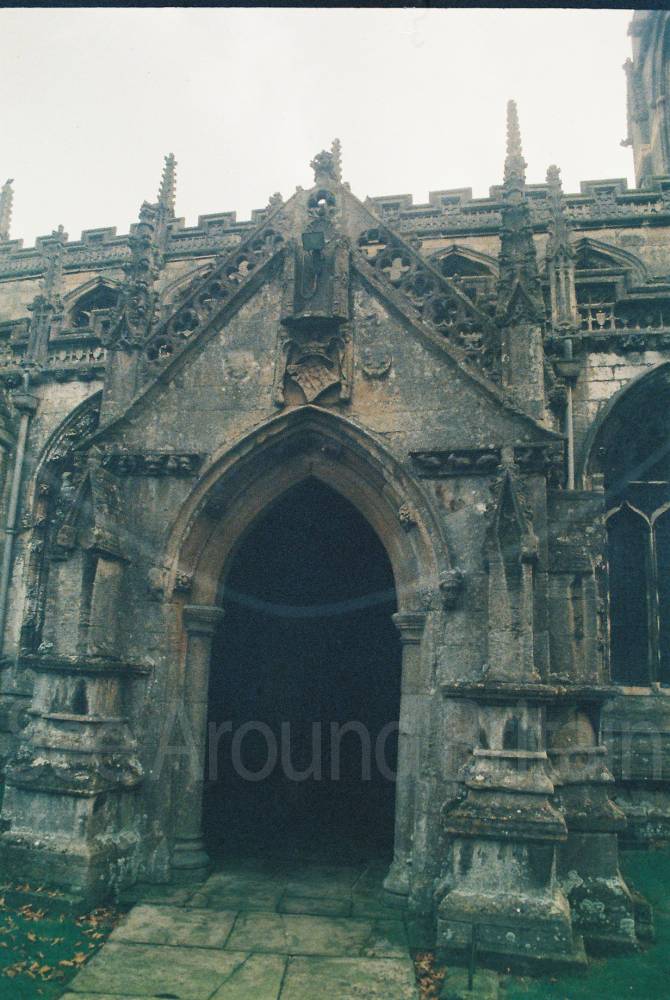
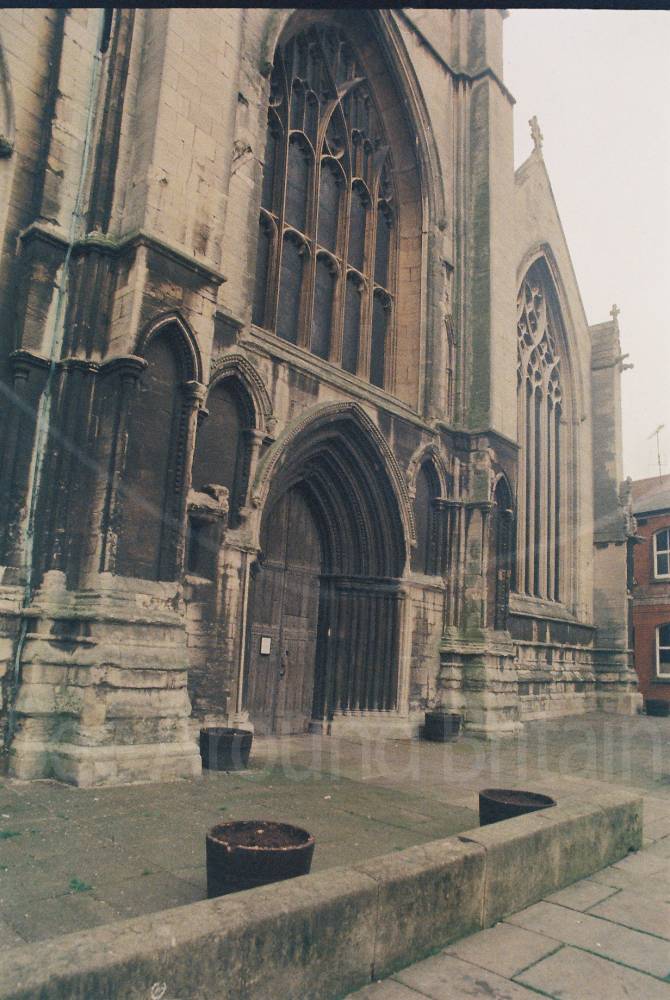
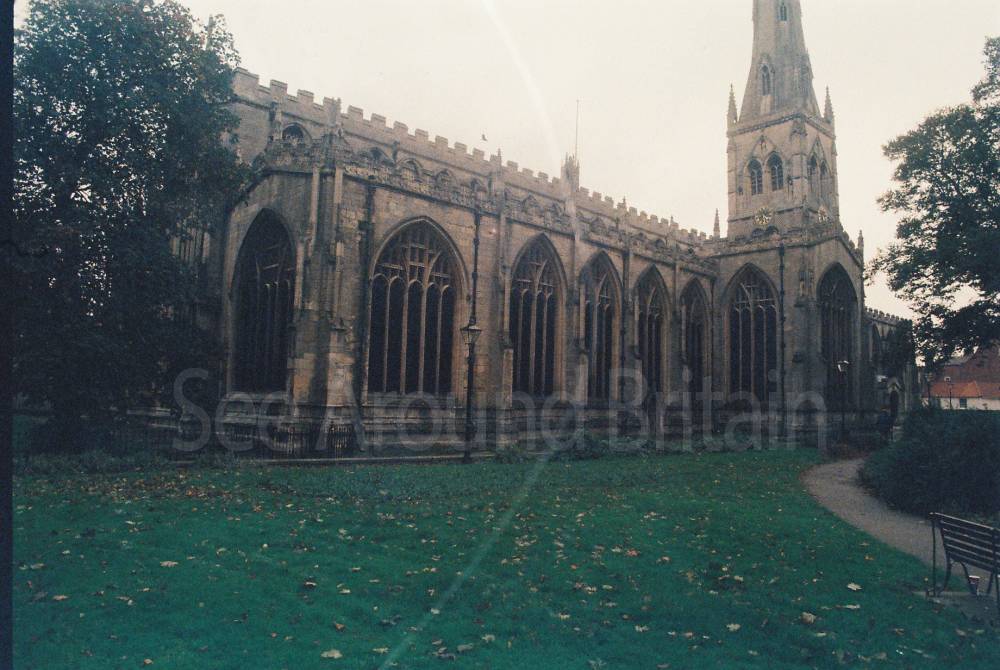
- The Church of St. Mary Magdalene is a Grade I listed building notable for its tower and octagonal spire (236 feet (72 m) high), the tallest in the county for a church. It was heavily restored in the mid-19th century by Sir George Gilbert Scott. The reredos was added by Sir Ninian Comper.[65]
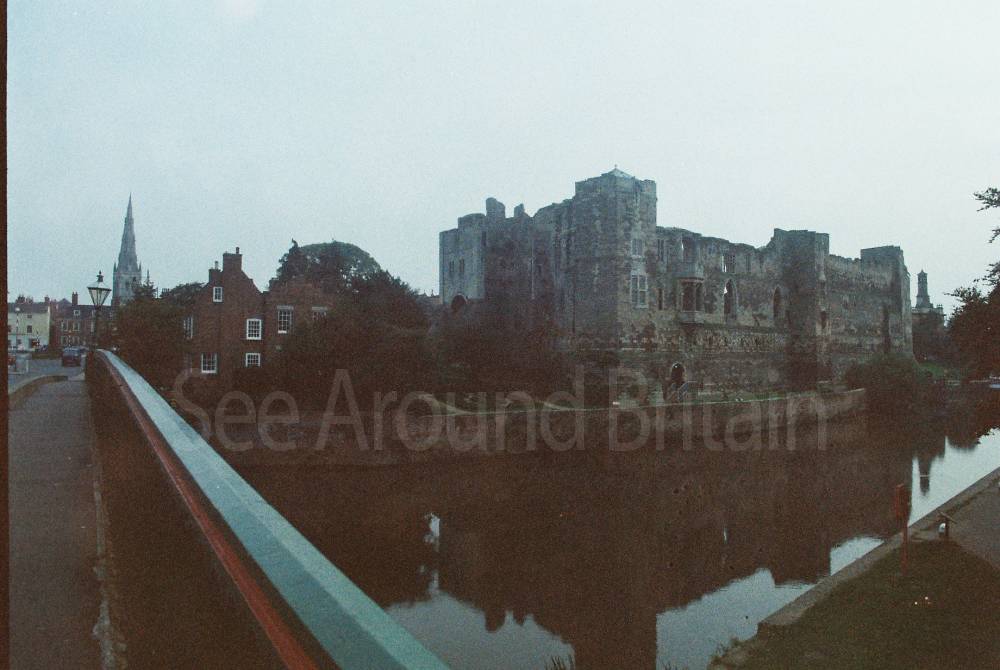
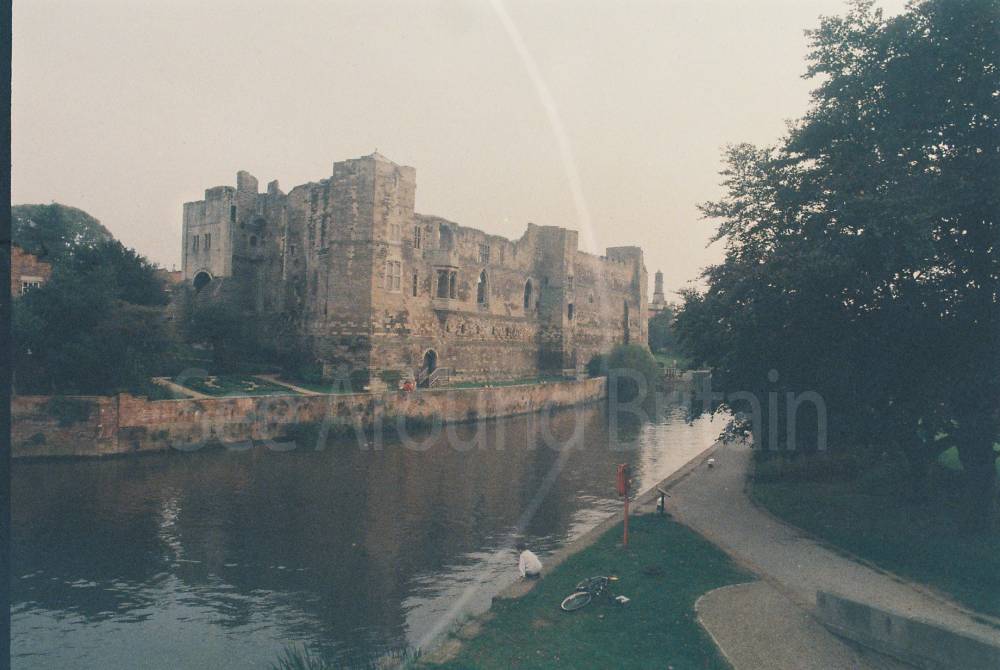
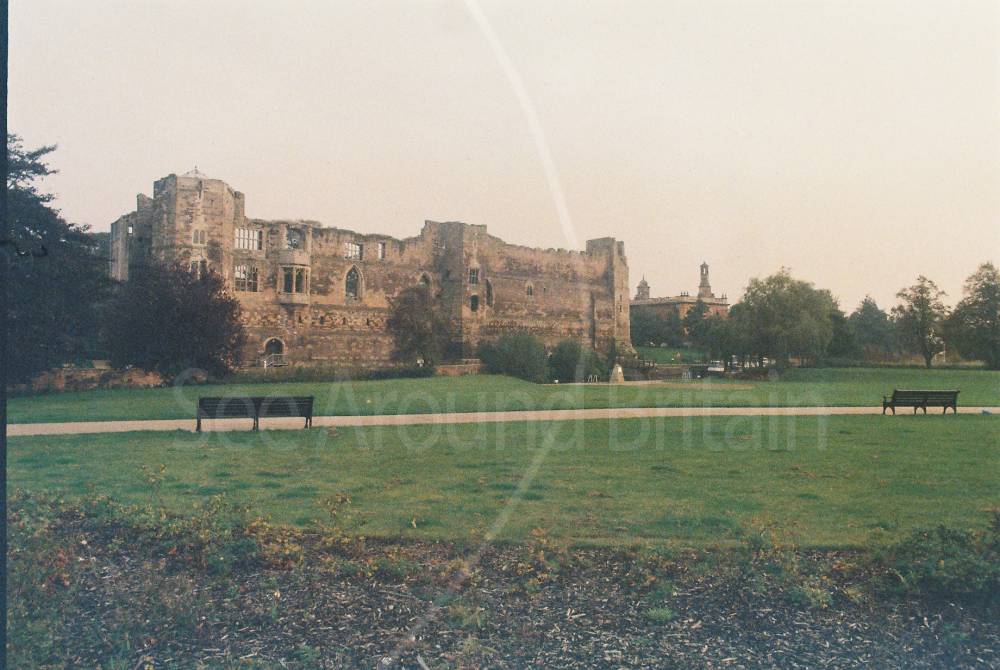
- Newark Castle was built by the Trent by Alexander of Lincoln, the Bishop of Lincoln in 1123, who established it as a mint.[66] Of the original Norman stronghold, the chief remains are the gate-house, a crypt and the tower at the south-west angle. King John died there on the night of 18 October 1216.[67][68] In the reign of Edward III it was being used as a state prison. In the English Civil War it was garrisoned for Charles I and endured three sieges. Its dismantling was begun in 1646, after the royalist surrender.[9]
- National Civil War Centre - Newark Museum on Appleton Gate in the town.
- The 16th-century Governor's House, named after Sir Richard Willis, Castle Governor in the English Civil War, is in Stodman Street. Now housing a bread shop and cafe, it is a Grade I listed building.[69]"
Travel Information
For further travel information please see: www.traveline.info
Or call Traveline on 0871 200 22 33
(Calls cost 12p per minute plus your phone company's access charge)
Location
Nearest Venues





*Distances are calculated in a straight line from the current venue, please allow extra time/distance based on available paths or roads.