

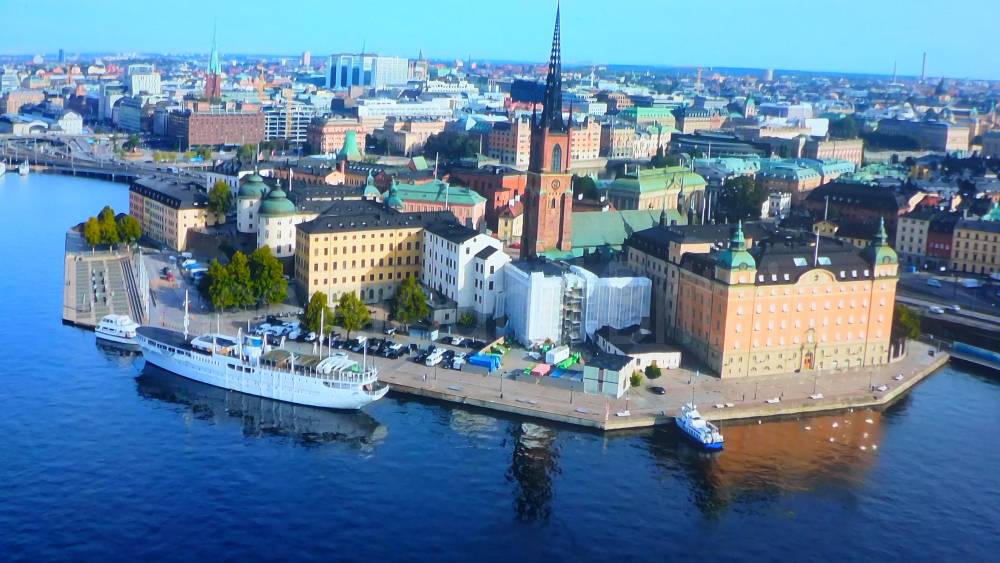
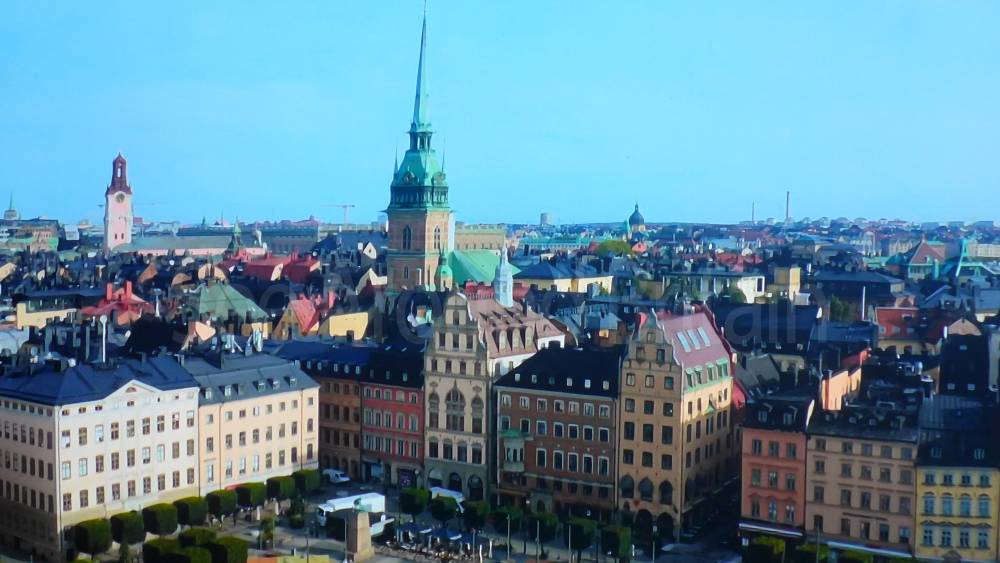
Stockholm, the capital of Sweden
Details
Accessibility
- Metro (Tunnelbana): Most stations are level with platforms, and buses have ramps/low floors.
- Buses & Trams: Equipped with ramps and audio announcements for stops.
- Support: SL offers a 24/7 accessibility hotline for assistance and journey planning.
- Infrastructure: Efforts include adapting crossings, reducing kerb gaps, and tactile guidance for the visually impaired.
- Attractions: Many museums (like the Vasa Museum) and restaurants are accessible, with private accessible tours available.
- Language: English proficiency is high, easing communication.
- Coordinated Information: A lack of unified marketing for accessible tourism can be a barrier for visitors.
- Safety: Some disabled individuals report higher risks of crime, leading to caution after dark.
- SL Accessibility: Offers specific guidance and support for travelers with disabilities.
- Visit Stockholm: Provides an accessibility statement and information.
- Wheel The World: A platform detailing accessible travel options in Sweden and Stockholm.
- Buses: All are low-floor with ramps for level entry.
- Metro (T-bana): Most stations have lifts/escalators; platforms and trains are often level; a ramp is needed for commuter trains.
- Assistance: Call the 24/7 hotline (+46 20 120 20 22) for help with booking assistance or journey planning.
- Museums: Vasa Museum, ABBA The Museum, Paradox Museum, and Modern Art Museum are highly accessible.
- City Hall (Stadshuset): Accessible via ramp/lift; free wheelchairs available (not reservable).
- Skansen: Accessible restaurants and areas; check their website for details.
- Hop-on Hop-off: Both bus and boat tours are available and accessible.
- SkyView: The glass gondola ride offers great views and is accessible.
- Plan Ahead: Use the SL website and accessibility guides.
- Check Specifics: Confirm accessibility for smaller venues like restaurants or shops.
- Enjoy the Art: Take the accessible metro art walk for a unique tour.
- Book Tours: Consider pre-booked accessible tours for ease."
https://www.visitstockholm.com/search/?q=Accessibility
https://visitsweden.com/about-sweden/accessible-travel/
https://sl.se/en/getting-around/transport-accessibility
Brief description
https://en.wikipedia.org/wiki/Stockholm
2025: "Stockholm (/ˈstɒkhoʊ(l)m/;[10] Swedish: [ˈstɔ̂kː(h)ɔlm] ⓘ)[11] is the capital and most populous city of Sweden, as well as the largest urban area in the Nordic countries. Approximately 1 million people live in the municipality,[12] with 1.6 million in the urban area,[13] and 2.5 million in the metropolitan area.[12] The city stretches across fourteen islands where Lake Mälaren flows into the Baltic Sea. Outside the city to the east, and along the coast, is the island chain of the Stockholm archipelago. The area has been settled since the Stone Age, in the 6th millennium BC, and was founded as a city in 1252 by Swedish statesman Birger Jarl. The city serves as the county seat of Stockholm County.
Stockholm is the cultural, media, political, and economic centre of Sweden. The Stockholm region alone accounts for over a third of the country's GDP,[14] and is among the top 10 regions in Europe by GDP per capita.[15] Considered a global city,[16] it is the largest in Scandinavia and the main centre for corporate headquarters in the Nordic region.[17] The city is home to some of Europe's top-ranking universities, such as the Karolinska Institute (medicine), KTH Royal Institute of Technology, Stockholm School of Economics and Stockholm University.[18] It hosts the annual Nobel Prize ceremonies and banquet at the Stockholm Concert Hall and Stockholm City Hall. One of the city's most prized museums, the Vasa Museum, is the most visited museum in Scandinavia.[19] The Stockholm metro, opened in 1950, is well known for the decor of its stations; it has been called the longest art gallery in the world.[20] The city was the host of the 1912 Summer Olympics, and has played host to several other international sports events since.[21]
Stockholm is Sweden's primary financial centre, one of the largest in Scandinavia, and hosts several of Sweden's largest companies. Furthermore, the headquarters of most of Sweden's largest banks are in Stockholm. Stockholm is one of Europe's major tech centres; the city has sometimes been called Europe's innovation hub.[22] The Stockholm region has a GDP of around $180 billion,[23] and Stockholm County has the highest GDP per capita of all counties in Sweden.[24]
Stockholm is the seat of the Swedish government and most of its agencies,[25] including the highest courts in the judiciary,[26] and the official residences of the Swedish monarch and the prime minister. The government has its seat in the Rosenbad building, the Riksdag (Swedish parliament) is seated in the Parliament House,[27] and the prime minister's residence is adjacent at the Sager House.[28] Stockholm Palace is the official residence and principal workplace of the Swedish monarch, while Drottningholm Palace in neighbouring Ekerö serves as the Royal Family's private residence.[29] "
Address
Paradox Museum Stockholm
Sergels Torg 20
111 57 Stockholm
Sweden
Contact centre helps you find information on a broad range of queries.: Emailkontaktcenter@stockholm.se
Phone
Contact centre:helps you find information on a broad range of queries. Telephone 08-508 00 508
Website
https://www.visitstockholm.com/
Directions
Opening Times
Always check with the venue directly for up-to-date information including opening times and admission charges as they may be subject to change. Contact centre (helps you find information on a broad range of queries): Monday–Thursday 08.00–16.30, Friday 08.00–16.00, Telephone 08-508 00 508 + Email Emailkontaktcenter@stockholm.se
Transport
2025: https://en.wikipedia.org/wiki/Transport_in_Stockholm
"Stockholm offers good accessibility with accessible buses (low floors), metros (lifts at most stations), and modern ferries, but historic areas like Gamla Stan (Old Town) present challenges (cobblestones/hills). While Sweden has strong accessibility laws, detailed, centralized maps for tourists are lacking, though individual resources for wheelchair users (like Motion4rent) and apps for the visually impaired (like e-Adept) exist, focusing on public transport and key sites.
- Buses: All buses are low-floor for easy boarding, with accessible stops.
- Metro (Tunnelbana): Most stations have lifts; accessibility is a priority, though older lines might be less so.
- Ferries: Modern archipelago ferries are generally accessible; older steamships can be trickier.
- Gamla Stan (Old Town): Cobblestones, narrow streets, and steps make it difficult for wheelchairs.
- Winter Travel: Black ice can make getting around hard, even with sturdy boots.
- No Single Map: A centralized, comprehensive map of all accessible points isn't readily available for tourists.
- Resources: Look for specific guides (like Motion4rent's guide) for detailed breakdowns of attractions and transport.
- Apps: e-Adept offers audio-visual guidance for the visually impaired on streets and public transport.
- Sweden has strong laws, meaning many museums, shops, and public spaces are designed for accessibility (ramps, lifts).
- Stockholm aims for inclusion, with ongoing efforts to improve infrastructure like kerb cuts and accessible crossings."
Amenities
https://en.wikipedia.org/wiki/Culture_in_Stockholm
https://www.visitstockholm.com/